
Hustle. Hunger. Heartbreak. Then, a breakthrough.
In an industry obsessed with six-packs, chiseled jaws, and Instagram-ready faces, one actor defied the mold. Born and raised in a Mumbai chawl, rejected time and again for not fitting the “hero” look, he today stands tall—sharing screen space with Ranveer Singh, earning critical acclaim, and redefining what it means to be a leading man in Indian cinema.
This isn’t a fairy tale. It’s the raw, unfiltered story of Pankaj Tripathi—and how he turned rejection into reignition.
From Chawl Walls to Character Strength
Pankaj Tripathi was born in a modest household in Belsand, Bihar. His early life was shaped by economic hardship and limited access to education. Eventually, his family moved to a chawl in Mumbai—a cramped, communal living space that becomes home to thousands chasing dreams in the city of dreams.
In these chawls, privacy is a luxury. But resilience is a default setting.
Tripathi’s start wasn’t cinematic. No nepotism. No godfathers. Just a scholarship to study at the National School of Drama (NSD), which became his lifeline. Even there, he was often told he “didn’t look the part.” His face—earthy, lived-in, intense—was deemed unsuitable for romantic leads or mainstream heroes.
But Tripathi had something more valuable: presence.
“I realized early that I didn’t need to be the hero. I needed to be unforgettable.”
The Rejection Phase: “You Don’t Fit the Image”
After NSD, the doors didn’t swing open. In fact, they slammed shut—repeatedly.
Casting directors dismissed him. Producers said he “didn’t have hero material.” Even in supporting roles, he was passed over for actors with smoother features or better grooming.
Tripathi took on odd jobs—working in a biscuit factory, doing voice-overs, teaching acting—to survive. For nearly a decade, he bounced between small theatre gigs and unseen auditions. Bollywood wasn’t ready for a man who looked like the neighbor who fixes your pipe—not the one who sweeps the heroine off her feet.
But every rejection sharpened his focus.
#### Common Mistakes Actors Make in Similar Situations: - Chasing the wrong roles – Many actors try to fit into mainstream boxes, losing authenticity. - Giving up after 2–3 rejections – Tripathi faced over 100 no’s before his first break. - Neglecting craft during dry spells – He used downtime to study human behavior, voice modulation, and script analysis.
His turning point? A minor but impactful role in Gangs of Wasseypur (2012). Directed by Anurag Kashyap, the film didn’t have conventional heroes—only real people. And Tripathi, as the volatile, unpredictable Babu Gujjar, stole scenes with a stillness that screamed danger.
The Ranveer Singh Connection: When Stars Align
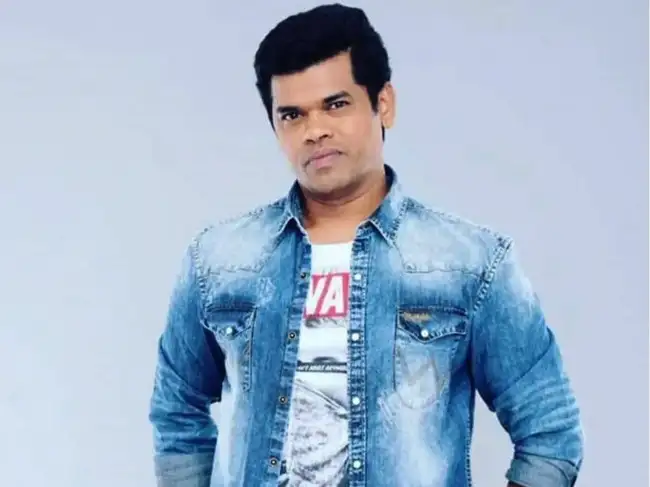
Tripathi’s rise wasn’t overnight, but it accelerated fast. By the time Sacred Games dropped on Netflix in 2018, he was no longer a “supporting actor”—he was a cultural phenomenon. As Inspector Sartaj Singh’s moral counterweight, Tripathi’s portrayal of Ganesh Gaitonde was chilling, poetic, and deeply human.
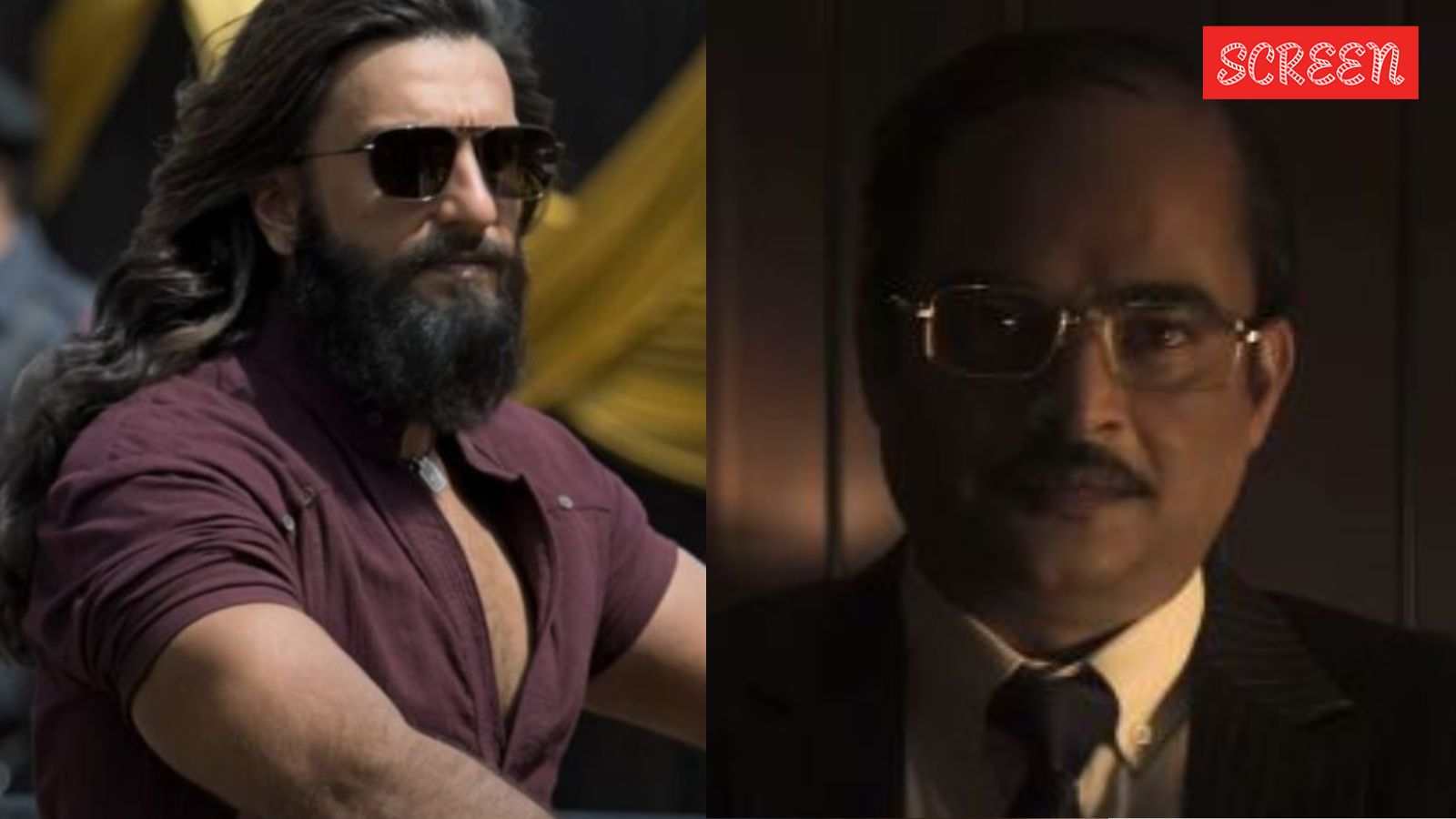
Then came 83—the film that brought Tripathi and Ranveer Singh together on screen.
In 83, Ranveer played the lead—Kapil Dev, India’s 1983 World Cup captain. Tripathi played PR Man Singh, the team’s coach. On paper, Singh had the spotlight. But in execution, Tripathi’s quiet authority and emotional depth gave the film its spine.
The irony? The boy from the chawl—once rejected for not looking like a hero—now stood shoulder-to-shoulder with one of Bollywood’s biggest stars, not as a sidekick, but as an equal in impact.
“There was no competition. Just contribution,” Tripathi said in an interview. “Ranveer brought fire. I brought stillness. The film needed both.”
Why Casting Directors Were Wrong—And How He Proved Them Right
The core misconception about Bollywood success is that it favors the conventionally handsome. But audiences are smarter. They respond to truth.
Tripathi’s face tells stories before he speaks. His eyes carry history. His pauses speak volumes.
Casting directors who rejected him based on looks missed the bigger picture: authenticity sells.
- #### Three Roles That Shattered the “Hero” Stereotype:
- Babu Gujjar in Gangs of Wasseypur – A violent, unpredictable gangster whose fearlessness came from pain.
- Ganesh Gaitonde in Sacred Games – A crime lord with philosophical depth, blurring lines between villain and victim.
- Coach Man Singh in 83 – A mentor figure whose calm demeanor masked fierce pride and vulnerability.
Each role succeeded not because of glamour, but because of emotional realism. And each made producers rethink what “leading man energy” really means.
The New Wave: Redefining Stardom in Bollywood
Tripathi’s success isn’t isolated. It’s part of a larger shift in Indian cinema.
Audiences are fatigued by cookie-cutter heroes. They crave characters with texture, flaws, and lived-in experiences. That’s why actors like Manoj Bajpayee, Nawazuddin Siddiqui, and Vijay Sethupathi are thriving—without conforming to traditional hero templates.
Tripathi represents the rise of the character-driven star—someone who leads not with looks, but with impact.
#### Practical Takeaways for Aspiring Actors: - Invest in your craft, not just your look. Tripathi spent years mastering voice, movement, and emotional range. - Embrace your uniqueness. His “unheroic” appearance became his signature strength. - Be patient—but persistent. His first major role came when he was over 35. - Work across mediums. Tripathi built credibility in theatre, web series, and indie films before mainstream success.
The Ripple Effect: Inspiring the Next Generation
Today, Pankaj Tripathi isn’t just an actor—he’s a symbol.
For every young performer from a chawl, a small town, or a non-film background, he’s proof that rejection isn’t the end. It’s often the beginning.
Casting directors now actively seek “real” faces. OTT platforms have amplified space for nuanced performances. And audiences reward truth over polish.
Tripathi’s journey has changed the conversation: It’s not about looking like a hero. It’s about becoming one.
Why This Story Matters Beyond Bollywood
This isn’t just about cinema. It’s about cultural evolution.
In a country where appearance still dictates opportunity—from job interviews to matrimonial profiles—Tripathi’s ascent challenges deep-rooted biases. He represents a growing preference for substance over surface.
His story resonates with: - Students from underfunded schools - Artists without connections - Professionals told they “don’t fit the profile”
He didn’t win by changing himself. He won by staying himself.
The Quiet Revolution: What Lies Ahead
Pankaj Tripathi continues to choose roles that challenge, provoke, and inspire. From Mimi (2021), where he played a compassionate, small-town man supporting a surrogacy journey, to Ek Villain Returns, where he brought gravitas to a dark thriller, he refuses to be typecast.
And yes—he’s still sharing screens with superstars. Not as a prop, but as a force.
The boy from the chawl isn’t just accepted now. He’s essential.
Closing Thought: Success isn’t about fitting in. It’s about breaking through with authenticity. If you’ve been told you don’t “look the part,” remember Pankaj Tripathi. The part isn’t always written for you—sometimes, you have to rewrite it yourself.
FAQ:
Who is Ranveer Singh’s co-star from a chawl background? Pankaj Tripathi, born in Bihar and raised in Mumbai’s chawl communities, rose from poverty and rejection to become a celebrated actor.
Why was Pankaj Tripathi rejected by directors early in his career? He was considered “not hero material” due to his unconventional looks, lack of glamour, and earthy demeanor.
What film marked Pankaj Tripathi’s breakthrough? Gangs of Wasseypur (2012), where he played the menacing Babu Gujjar, brought him critical attention.
How did Pankaj Tripathi work with Ranveer Singh? They starred together in 83, where Ranveer played Kapil Dev and Tripathi portrayed coach PR Man Singh.
What makes Pankaj Tripathi’s success unique? He succeeded without industry connections, defied traditional hero standards, and leveraged authenticity over appearance.
Is Pankaj Tripathi a National School of Drama graduate? Yes, he graduated from NSD in 1999, which laid the foundation for his acting career.
What message does Pankaj Tripathi’s journey send to aspiring actors? Talent, patience, and staying true to oneself can overcome rejection and bias in any industry.
FAQ
What should you look for in The Rise of Ranveer Singh’s Co-Star from Chawl to Stardom? Focus on relevance, practical value, and how well the solution matches real user intent.
Is The Rise of Ranveer Singh’s Co-Star from Chawl to Stardom suitable for beginners? That depends on the workflow, but a clear step-by-step approach usually makes it easier to start.
How do you compare options around The Rise of Ranveer Singh’s Co-Star from Chawl to Stardom? Compare features, trust signals, limitations, pricing, and ease of implementation.
What mistakes should you avoid? Avoid generic choices, weak validation, and decisions based only on marketing claims.
What is the next best step? Shortlist the most relevant options, validate them quickly, and refine from real-world results.